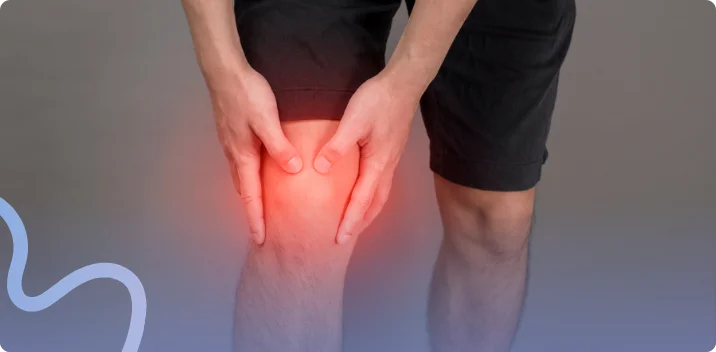
If you are wondering how to ease knee pain that keeps coming back, targeted non-surgical care offers real relief worth considering. Chronic knee discomfort can make walking, climbing stairs, or standing for long periods feel hard. Many people with stubborn knee pain respond well to therapies that address the root causes and support natural healing.
This guide explains how these treatments work, what conditions respond well, and what to expect.
Understanding How We Address Knee Pain
At ProWellness Family Chiropractic, we use a combination of proven, non-surgical therapies to reduce knee pain and restore function. Our approach focuses on reducing inflammation, improving mobility, and strengthening the structures that support your knee joint. This helps ease stress on cartilage, ligaments, and other tissues that may be compressed or irritated.
Many people seek our care when rest, ice, and over-the-counter pain relief have not been enough to bring lasting comfort. Care addresses both the symptoms and the underlying causes of your knee pain, without surgery, injections, or medications.
How Our Treatments Work for Knee Pain
We use several advanced therapies to help your knee heal and feel better.
Class IV laser therapy delivers light energy deep into the knee joint and surrounding tissue to calm inflammation and support cellular repair. Sessions are brief and painless, and many patients notice reduced soreness as the series progresses.
Shockwave therapy uses acoustic waves to stimulate circulation and the body's natural repair response in stubborn tendon and soft tissue irritation around the knee. It is especially useful when pain has lingered for months.
Therapeutic ultrasound and e-stim therapy support the muscles and tissue around the joint, easing spasm and stiffness so you can move with less guarding.
Chiropractic care rounds out the plan by addressing the alignment of the pelvis, hips, and legs. When your mechanics are balanced, your knee faces less stress with every step.
Conditions That Respond Well to Our Treatments
Our comprehensive approach is often effective for people dealing with chronic or recurring knee pain. Common conditions that may benefit include:
Osteoarthritis in the knee that causes stiffness and aching.
Degenerative cartilage wear that makes movement painful.
Meniscus irritation or minor tears.
Chronic inflammation and swelling in the joint.
Pain that worsens with weight-bearing activities.
Knee instability or weakness that limits daily function.
Tendon irritation and ligament strain.
While no treatment can reverse severe cartilage damage, non-surgical care can help reduce pain, improve mobility, and support function even when arthritis is present for the right candidates.
What to Expect During Your Care
Your first appointment begins with a conversation about your knee pain, medical history, and daily activities. Your provider will examine your knee, check your range of motion, and assess strength and stability. This thorough evaluation helps determine which therapies are the best fit for your situation.
Treatment sessions are comfortable and typically brief, depending on which therapies you receive. Many people start with visits once or twice a week. The total number of treatments depends on your condition, how long you have had pain, and how your body responds. Your provider monitors your progress and adjusts the plan as needed.
Comprehensive Care That Supports Lasting Results
Your knee pain plan may include multiple therapies working together. Laser therapy calms inflammation, shockwave stimulates repair in stubborn tissue, ultrasound and e-stim ease muscle guarding, and chiropractic care corrects the alignment patterns that overload the joint.
The right blend depends on your history, your goals, and how your body responds over time. At ProWellness Family Chiropractic, plans are personalized and evidence-informed, guided by an experienced North Carolina team.
Simple Habits That Support Your Results
What you do outside the treatment room matters. Small, steady changes help protect the progress you make during care. Maintain a healthy weight to reduce load on the knee joint. Wear supportive shoes that cushion your feet. Take short movement breaks if you sit or stand for long periods. Practice the gentle stretches and exercises your provider recommends. Avoid high-impact activities that aggravate pain until your knee is stronger.
Final Thoughts on Knee Pain Relief
Non-surgical care offers effective solutions to reduce knee pain and improve function when rest and home remedies have not been enough. By combining laser therapy, shockwave, supportive modalities, and chiropractic care, the plan addresses both the symptoms and the underlying causes of your discomfort.
If your knee pain has lingered or keeps cycling back, an evaluation can help you build a plan that fits your life. The non-surgical pain relief team at ProWellness Family Chiropractic in Lincolnton is ready to help. Call (704) 735-9668 or schedule a visit to take a practical step toward feeling better.
Frequently Asked Questions
Can knee pain improve without surgery?
Often, yes. Many common knee problems, including arthritis-related stiffness, tendon irritation, and chronic swelling, respond to non-surgical care that calms inflammation and improves how the joint is loaded. Severe structural damage may still need a surgical consult, and an honest evaluation sorts that out early.
Which non-surgical treatment is best for knee pain?
It depends on what is driving your symptoms. Laser therapy suits inflammation-driven pain, shockwave suits stubborn tendon irritation, and alignment-focused chiropractic care helps when mechanics overload one part of the joint. Most plans combine approaches.
How long does it take to feel results?
Many people notice functional improvements, like easier stairs or less morning stiffness, within the first few weeks of care. Longer-standing problems take more time as tissue rebuilds tolerance.
Is this kind of care safe for older adults with arthritis?
Yes. The therapies used are gentle and non-invasive, and plans are scaled to your tolerance. Care for arthritic knees focuses on reducing inflammation, keeping the joint moving, and strengthening support structures.
Do I need a referral to be evaluated?
No referral is needed. You can schedule an evaluation directly, and your provider will tell you plainly whether non-surgical care fits your situation or whether you should see another specialist first.
Ready to take the next step?
Talk with the ProWellness Family Chiropractic team about a Knee Pain Care plan built around your body and your goals.