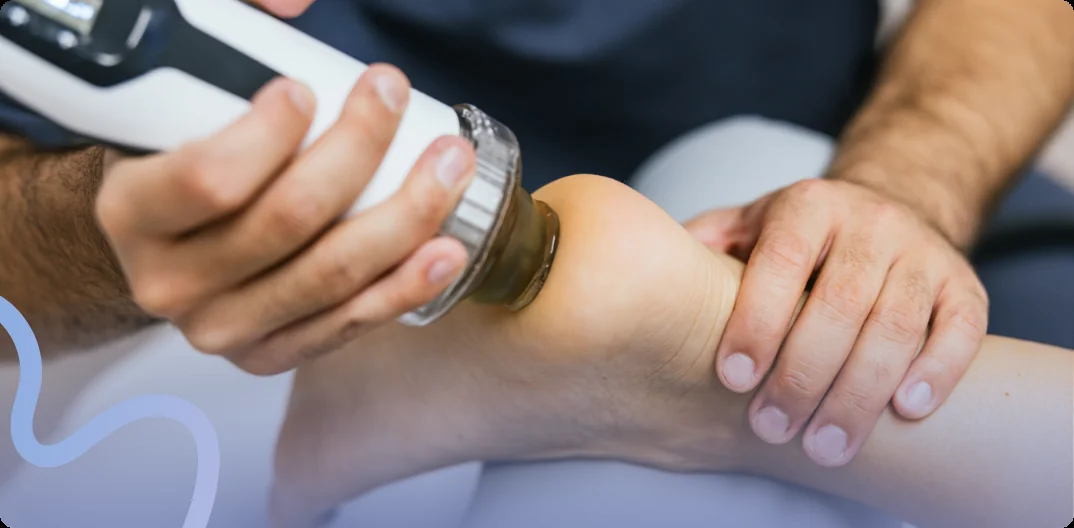
If you are dealing with persistent pain in your tendons, joints, or soft tissue that has not improved with rest or conventional care, shockwave therapy may be the focused clinical intervention your body needs to begin healing in a meaningful way. ProWellness Family Chiropractic offers shockwave therapy as a non-invasive treatment for patients in Lincolnton, NC who are ready to move beyond managing symptoms and start addressing the underlying tissue dysfunction driving their discomfort.
Understanding Why Some Injuries Stop Healing
Acute injuries typically follow a predictable healing process that moves through inflammation, tissue repair, and remodeling over a period of weeks. Chronic pain develops when this process stalls before completion, leaving the affected tissue in a state of partial repair that neither resolves fully nor responds well to rest alone. Tendons, ligaments, and soft tissue structures are particularly vulnerable to this pattern because of their relatively limited blood supply, which slows the delivery of nutrients and cellular signals needed for ongoing recovery.
Why Rest Alone Is Often Not Enough
When an injury does not heal completely, the body may lay down disorganized scar tissue as a way of bridging the damage. This tissue lacks the structural integrity of healthy tissue, making it more susceptible to reinjury and more likely to generate persistent pain signals. Rest reduces the mechanical load on injured tissue, but it does not restart a stalled healing response or break down the calcifications and adhesions that can develop in chronically irritated areas. A more direct clinical intervention is often necessary to reset the biological environment of the affected area and give the tissue what it needs to complete the healing process.
How Shockwave Therapy Promotes Healing and Reduces Pain
Shockwave therapy uses acoustic waves delivered through the skin to stimulate the body's natural repair mechanisms in the target tissue. These acoustic waves increase local blood flow, stimulate collagen production, break down calcifications, and disrupt the pain signals associated with chronic tissue irritation. The result is a more active healing environment that the body can use to make meaningful progress toward recovery.
Stimulating Circulation and Collagen Production
By delivering mechanical energy into the tissue, shockwave therapy triggers a vascular response that brings fresh oxygen and nutrients into the affected area while supporting the removal of inflammatory byproducts. This improved circulatory environment creates the conditions in which new, organized tissue can begin to replace the disorganized scar tissue that chronic injuries tend to produce. Collagen is the primary structural protein in tendons and ligaments, and its production is essential for restoring the tensile strength and flexibility of damaged soft tissue.
Addressing Calcifications and Reducing Pain Signals
Calcific deposits can develop in tendons and soft tissue as a byproduct of chronic inflammation and are a common contributor to persistent pain in the shoulder, elbow, heel, and knee. Shockwave therapy is used to break down these calcifications and disrupt the nerve fibers responsible for transmitting chronic pain signals, contributing to the reduction in discomfort that many patients experience following treatment.
Conditions That Respond Well to Shockwave Therapy
Shockwave therapy is well suited for a broad range of musculoskeletal conditions involving tendon degeneration, soft tissue restriction, or chronic inflammatory patterns that have not responded to conservative care. At ProWellness Family Chiropractic, this treatment is used to address plantar fasciitis, Achilles tendinopathy, patellar tendinopathy, tennis elbow, golfer's elbow, rotator cuff tendinopathy, and calcific shoulder tendinitis, among others. Patients who have struggled with heel pain, elbow pain, or shoulder dysfunction for months without lasting relief frequently see meaningful improvement over a course of shockwave treatment.
What to Expect From Treatment
Care begins with a thorough evaluation of your condition, symptom history, and the specific tissue structures involved in your pain. Most patients require a series of sessions spaced over several weeks, as the biological processes stimulated by shockwave therapy develop progressively over time. Some patients experience mild soreness in the treatment area following each session, which reflects the body's active response to the acoustic energy and is a normal part of the recovery process.
Your provider will give you clear guidance on activity modifications and what to expect between sessions so that you can support the healing process with confidence. When your presentation calls for it, shockwave therapy is combined with the other sports recovery treatments available at our Lincolnton clinic, so the plan reflects how your body is actually moving and healing.
Taking the First Step Toward Lasting Pain Relief
Persistent musculoskeletal pain does not have to remain a permanent feature of your daily life when a focused, non-invasive treatment option is available. At ProWellness Family Chiropractic in Lincolnton, North Carolina, we care for patients across Lincoln County and the surrounding communities. We invite you to contact our office to schedule an evaluation and find out whether shockwave therapy is the right next step for your condition.
Frequently Asked Questions
What does shockwave therapy actually do?
Shockwave therapy delivers acoustic waves into injured tissue to stimulate the body's natural repair mechanisms. The waves increase local blood flow, stimulate collagen production, break down calcific deposits, and disrupt the signals that keep chronic pain active.
What conditions is shockwave therapy used for?
It is used for musculoskeletal conditions involving tendon degeneration or chronic irritation, including plantar fasciitis, Achilles tendinopathy, patellar tendinopathy, tennis elbow, golfer's elbow, rotator cuff tendinopathy, and calcific shoulder tendinitis.
Why did my tendon pain stop improving on its own?
Tendons and ligaments have a limited blood supply, so their healing process can stall before it is complete. The body may bridge the damage with disorganized scar tissue that stays weak and painful, and rest alone does not restart that stalled response.
Does shockwave therapy hurt?
Some patients notice mild soreness in the treatment area after a session. That soreness reflects the body's active response to the acoustic energy and is a normal part of the process. Your provider will explain what to expect between sessions.
How many shockwave sessions are needed?
Most patients complete a series of sessions spaced over several weeks. The biological processes the treatment stimulates, including circulation and collagen production, build progressively, so improvement typically develops over the course of care rather than all at once.
Ready to take the next step?
Talk with the ProWellness Family Chiropractic team about a Shockwave Therapy plan built around your body and your goals.