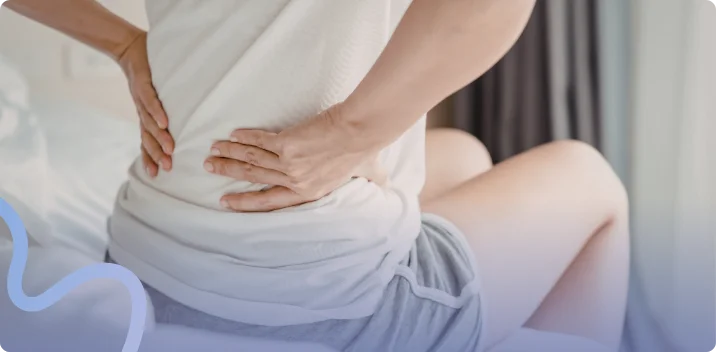
Lower back pain is one of the most common health complaints in the country, affecting people of all ages and activity levels regardless of whether they have experienced a prior injury or carry specific risk factors. Your back is responsible for supporting the weight of your entire upper body, which makes it vulnerable to the kind of daily stress and strain that can seriously impact your quality of life. Finding real and lasting relief starts with understanding what your body is trying to tell you.
Whether you are dealing with a dull ache that lingers for days, discomfort that radiates through your mid-back, or severe pain that refuses to let up, several treatment approaches are available depending on the underlying source of your symptoms.
What Is Lower Back Pain, and Why Does It Happen?
Lower back pain, also known as lumbago, affects the lumbar region of your spine, the area that bears the weight of your upper body throughout the day. Because your vertebrae and surrounding soft tissues are constantly at work, that workload can lead to strain, inflammation, or injury that develops gradually or appears without any obvious trigger. It is one of the most common medical problems, and most adults experience it at some point in their lives.
For some people, back pain comes and goes. For others, it becomes a chronic condition that interferes with sleep, daily activities, and overall well-being. Either way, understanding the root cause is the key to finding lasting relief for lower back pain instead of an endless cycle of temporary fixes.
What Are the Most Common Causes of Lower Back Pain?
Most lower back pain traces to a handful of sources: age-related disc wear, bulging or herniated discs, arthritis in the spinal joints, nerve irritation like sciatica, muscle strains, and the cumulative stress of poor posture. It is not always connected to a specific accident, and several factors often overlap.
Wear and tear accumulates as spinal discs naturally break down with age, a process commonly referred to as degenerative disc disease. A bulging or herniated disc occurs when the soft center of a spinal disc pushes out of place or ruptures, putting pressure on nearby nerves. Arthritis in the spine causes inflammation in the joints that leads to stiffness, pain, and reduced mobility.
Sciatica produces nerve pain that travels down the leg and is often linked to a compressed or irritated nerve in the lower spine. Muscle strains and sprains from overexertion at the gym or improper lifting technique are also among the most common culprits. Poor posture from sitting for extended periods without adequate support places significant stress on the lower back over time. Other contributing factors include kidney issues, hormonal changes, pregnancy-related postural shifts, and injuries from sudden movements or accidents.
How Can You Find Relief That Lasts?
Lasting relief starts with identifying the root cause rather than silencing symptoms. Note what makes your pain better or worse, stay moderately active instead of defaulting to bed rest, and seek professional evaluation when pain persists or worsens, because the right treatment depends entirely on what is actually driving the problem.
While some lifestyle habits can reduce your risk, such as warming up before physical activity, strengthening your core, maintaining a healthy body weight, and practicing safe movement patterns, not all back pain is preventable. Over-the-counter medications can temporarily reduce inflammation, but they address only the symptom. At-home strategies such as gentle stretching, posture corrections, and the careful application of heat or cold can provide some relief while your body heals. If your pain continues to worsen or fails to improve on its own, professional care becomes necessary.
Professional Support at ProWellness Family Chiropractic
At ProWellness Family Chiropractic in Lincolnton, NC, the focus is on identifying and treating the root cause of your back pain rather than masking symptoms with medication. The clinic offers a comprehensive, drug-free and surgery-free approach that is designed to help your body heal naturally through personalized, evidence-informed care.
Founded in 2015 and led by Dr. Robin Owings, ProWellness Family Chiropractic has built a reputation for providing attentive, individualized care to patients of all ages. The team takes time to understand each patient's specific condition, pain level, and goals before developing a treatment plan. Whether you are managing a new injury or have been dealing with chronic discomfort for years, the providers work to ensure that every visit is constructive and every care plan reflects your unique needs.
Treatment Approaches at ProWellness
The team draws on a range of chiropractic care options in Lincolnton to address back pain at its source. Chiropractic adjustments restore proper spinal alignment and reduce pressure on irritated nerves through precise, hands-on techniques suited to patients of every age and condition. Spinal decompression therapy offers a non-surgical solution for conditions such as herniated discs, degenerative disc disease, and sciatica by gently relieving pressure on the spine and supporting natural healing from within.
Class IV laser therapy uses targeted light energy to reduce inflammation and accelerate tissue repair at the cellular level. Shockwave therapy delivers acoustic pulses that stimulate circulation and promote healing in chronic soft tissue injuries. Massage therapy supports recovery by addressing muscle tension, improving circulation, and helping the body respond more effectively to other treatments.
Why Personalized Care Makes the Difference
Back pain affects more than just your physical comfort. It touches every aspect of your life, from how well you sleep to how fully you can participate in work, family, and the activities you enjoy. That is why a one-size-fits-all approach rarely delivers meaningful results. The providers at ProWellness Family Chiropractic treat each patient as an individual, crafting care plans that are specific to the person in front of them rather than the condition on paper.
The clinic's family-centered philosophy means patients are never made to feel like just another appointment on a schedule. The team takes time to explain each step of care, answer questions thoroughly, and equip patients with the home strategies they need to maintain progress between visits.
Take the Next Step Toward Relief
Lower back pain does not have to limit your daily routine or define the way you feel. With the right care focused on identifying root causes rather than temporarily silencing symptoms, you can regain comfort, mobility, and confidence in your body.
If you are ready to experience relief that lasts, schedule a consultation with ProWellness Family Chiropractic in Lincolnton, NC today. Taking that first step toward understanding your pain is often the most important one you will make.
Frequently Asked Questions
When should I see a professional about lower back pain?
Seek evaluation if pain lasts more than a week or two, keeps returning, disrupts sleep, or radiates into a leg. Get immediate care for back pain with leg weakness, numbness in the groin area, loss of bladder or bowel control, or pain following a serious fall or accident.
Is bed rest good for lower back pain?
Extended bed rest usually slows recovery. Staying moderately active with gentle movement, short walks, and careful stretching tends to produce better outcomes than immobility. The key is modifying activities that trigger sharp pain rather than stopping movement altogether while the underlying cause is addressed.
What is degenerative disc disease?
It is the age-related process of spinal discs gradually losing height, hydration, and flexibility. Despite the name, it is not a disease in the usual sense. As discs wear, the spine can become stiffer and more prone to irritation. Care focuses on relieving pressure, supporting mobility, and strengthening the surrounding structures.
Can chiropractic care help a herniated disc?
Many patients with disc-related pain improve with conservative care. Gentle adjustments improve spinal mechanics, and spinal decompression therapy applies controlled stretching that reduces pressure between the disc and the irritated nerve. A thorough examination determines whether your specific disc problem is a good fit for this approach.
How is the cause of lower back pain diagnosed?
A provider starts with a detailed history: when the pain began, what makes it better or worse, and how it behaves through the day. A physical and movement examination follows, checking alignment, flexibility, and nerve function. Imaging is reserved for cases with red-flag signs or symptoms that resist conservative care.
Ready to take the next step?
Talk with the ProWellness Family Chiropractic team about a Back Pain Care plan built around your body and your goals.