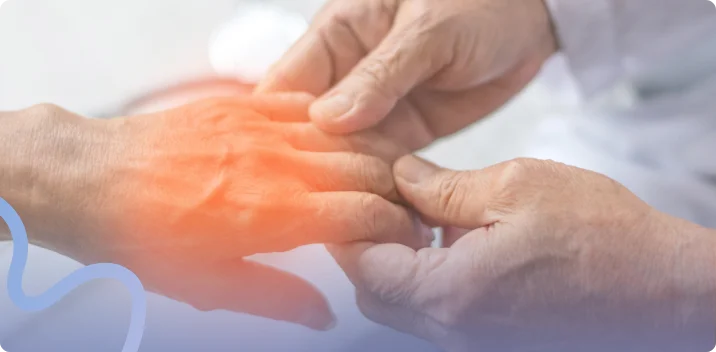
If you are looking for neuropathy care in Lincolnton, North Carolina, you already know this is not just an annoyance. Tingling, burning sensations, and numbness in the hands or feet can interrupt sleep, reduce confidence when you move, and make simple routines feel harder than they should.
Neuropathy can also be frustrating because it is not always visible from the outside. You might look fine, yet your nervous system is signaling discomfort all day. The goal is not to push through. The goal is to understand what is driving the sensitivity and build a plan that supports calmer signaling, better function, and more control. That starts with understanding neuropathy itself.
Understanding Neuropathy and Its Impact on Daily Life
Neuropathy involves changes in how nerves send and receive signals. When nerve tissue is irritated or not getting what it needs, sensation can shift. Some people notice prickling in the feet. Others feel heat, buzzing, or reduced touch in the fingertips.
Symptoms often affect the extremities and can intensify at night. Sleep disruption matters because poor sleep can increase pain sensitivity and reduce your ability to recover. Over time, many people also notice practical issues like reduced balance, less stability on stairs, or hesitation on uneven sidewalks.
Neuropathy can affect mood as well. Constant discomfort raises stress and can make you feel less like yourself. That does not mean it is all in your head. It often means your system has been running in a protection pattern for too long, staying on alert when it should be settling.

What Drives Nerve Symptoms
Effective care starts with the factors that support nerve function: circulation, inflammation, blood sugar balance, and mechanical pressure on nerves. Diabetes is one of the most common drivers of nerve damage, and circulation problems, past injuries, and compression along the spine or limbs can all contribute.
Because several factors usually stack together, a plan that addresses only one of them often falls short. That is why a comprehensive approach looks at the whole picture: what your nerves are experiencing, what your daily habits feed into the problem, and what your body needs to recover.
Non-Surgical Therapies That Support Recovery
At ProWellness Family Chiropractic, neuropathy care is non-surgical and tailored to your specific condition and symptoms. The intent is to reduce local sensitivity, support circulation, and create better conditions for nerve recovery.
Class IV laser therapy delivers light energy to affected tissue with the goal of calming inflammation and supporting circulation in the areas where nerves are struggling. E-stim therapy uses gentle electrical stimulation to ease discomfort and activate the muscles and tissue around irritated nerves. When alignment problems add mechanical pressure along the spine, chiropractic adjustments help restore normal movement so nerves have more room to function.
These therapies are often combined, and your plan is adjusted based on how your symptoms respond over time.
Lifestyle Habits That Support Nerve Health
Clinical care works better when your daily inputs support your nervous system. This is where many people searching for how to relieve neuropathy symptoms start to see the difference between random tips and a plan that fits real life.
Nutrition Support for Nerve Function
Nerves rely on steady nutrients and blood sugar balance. Many people benefit from emphasizing nutrient-dense foods that support nerve tissue and reducing the habits that increase inflammatory stress. Simple structure helps: steady protein, plenty of fiber, consistent hydration, and fewer blood sugar spikes and crashes.
Exercise and Movement That Feels Safe
Gentle movement supports circulation and maintains strength, which matters for stability and confidence. The key is choosing activity that matches your current tolerance:
Low-impact options like walking, light cycling, or controlled strength work.
Safe environments and simple progressions if balance is a concern.
Short, consistent sessions rather than occasional long ones.
Footwear that protects feet with reduced sensation.
Many people find that consistent, manageable movement reduces stiffness and rebuilds trust in their feet over time.
Why ProWellness Family Chiropractic Is a Practical Choice
When you are dealing with neuropathy, convenience matters, but clarity matters more. ProWellness Family Chiropractic serves Lincolnton and the surrounding communities with non-surgical pain relief care that focuses on the root causes of nerve symptoms.
Care needs to fit into real schedules, not perfect ones. The team understands that you need relief that works with your daily life, whether you are managing work responsibilities, family commitments, or simply trying to sleep through the night without constant discomfort.
Conclusion
Neuropathy can affect sleep, balance, and confidence, but it does not have to define your routine. A better approach combines a clear understanding of nerve signaling with non-surgical therapies and lifestyle habits that reduce irritation and improve stability.
If you are considering neuropathy care in Lincolnton, ProWellness Family Chiropractic can help you build a structured plan that fits real life. Call (704) 735-9668 or schedule an appointment to review your symptoms and map out a practical way forward.
Frequently Asked Questions
What does neuropathy feel like?
Most people describe tingling, burning, buzzing, pins and needles, or numbness, usually in the feet or hands. Symptoms often intensify at night and may affect balance as sensation changes.
Can neuropathy be reversed?
It depends on the cause and how early it is addressed. Some nerve irritation improves when circulation, inflammation, and underlying drivers like blood sugar are managed. Long-standing nerve damage is harder to undo, which is why acting early matters.
How does Class IV laser therapy help neuropathy?
Laser therapy delivers light energy to affected tissue with the goal of supporting circulation and calming inflammation around struggling nerves. It is non-invasive, sessions are brief, and it is often combined with e-stim therapy in a broader plan.
Do I need a diabetes diagnosis to have neuropathy?
No. Diabetes is a common driver, but neuropathy can also follow injuries, circulation problems, nerve compression, and other causes. An evaluation helps identify what is behind your specific symptoms.
When should I get evaluated for neuropathy?
If tingling, burning, or numbness keeps returning, spreads, disturbs sleep, or affects your balance, get evaluated. Early attention gives you more options for protecting nerve function.
Ready to take the next step?
Talk with the ProWellness Family Chiropractic team about a Neuropathy Care plan built around your body and your goals.