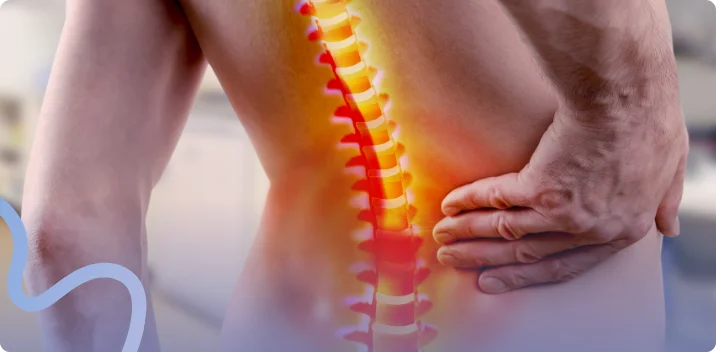
When pain grabs your lower back, the most important question you can ask is a simple one: is this sciatica or everyday back pain? Knowing which one you are dealing with shapes every step you take next. If you mix them up, you may stretch the wrong way, rest when movement would help, or overlook nerve symptoms that need focused, specialized care.
This guide helps you spot the main differences between sciatica and general back pain, and explains how ProWellness Family Chiropractic in Lincolnton, NC, can support you with natural, medication-free care that gets to the root of your problem.
What Is Back Pain?
Back pain is usually an ache, stiffness, or a tight pull anywhere from the mid back down to the tailbone, and it typically stays near the spine rather than traveling down a leg. Most people feel it in the lower back after sitting too long, lifting something heavy, or waking up from an awkward position.
The problem often lives in the muscles, ligaments, and joints around the spine. Long days at a desk, repeated bending, or years of slouched posture can overload those tissues. As discs and joints change with age, they may begin sending steady, nagging pain signals that are hard to ignore. Persistent everyday back pain like this deserves attention, but it behaves very differently from a nerve problem.
With this kind of issue, discomfort stays near the spine. You might notice a band of tightness across the lower back or soreness near the beltline or buttocks, but it generally does not travel down the leg or into the foot. When pain feels local and there is no tingling or buzzing in the leg, you are likely dealing with typical back pain rather than a nerve issue.
What Is Sciatica?
Sciatica is what happens when the sciatic nerve, the longest nerve in the body, becomes irritated or compressed. Pain usually starts in the lower back or buttocks and then shoots down one leg, often following the back of the thigh and continuing into the calf or even the sole of the foot. Many people describe it as burning, electric, or like a sharp streak that flares up with certain movements.
Sciatica often brings additional signs beyond pain alone. There may be tingling, pins and needles, or numb patches in the calf or foot. In more persistent cases, the affected leg may feel weak, especially when climbing stairs, standing on your toes, or lifting your foot while walking. That combination of radiating pain and nerve symptoms is what sets sciatica apart from a simple muscle strain.
Common structural triggers include a herniated disc pressing on a nearby nerve root, bone spurs related to arthritis narrowing the spaces around the nerve, and spinal stenosis, which is a gradual narrowing of the spinal canal that squeezes the nerves traveling through it. The specifics vary from person to person, but the key idea is pressure on nerve tissue, not only irritation in the surrounding muscles.
How Can You Tell Sciatica and Back Pain Apart?
Pay attention to three things: where the pain goes, how it feels, and what other symptoms come with it. Pain that stays near the spine and feels like stiffness points to back pain. Pain that travels down one leg, feels electric, or arrives with tingling, numbness, or weakness points to sciatica.
With back pain, discomfort usually sits across the lower back, feels worse when you bend or twist, and settles down when you shift positions. The leg feels normal, even if your movements are cautious and guarded.
With sciatica, pain travels. It often starts in the lower back or buttocks, then traces a line down the back of the thigh and sometimes continues below the knee. The sensation tends to be sharper and more intense, closer to electricity than a dull ache. Tingling, numb spots, or weakness in the leg are strong indicators that the sciatic nerve or its roots are involved in the problem.
Common Causes of Back Pain and Sciatica
Back pain and sciatica can share some triggers, but they do not originate from the same place or involve the same structures.
Why Back Pain Starts
Back pain often begins with an everyday overload. You might lift a heavy box with your back instead of your legs, reach awkwardly for something in the car, or spend hours hunched over a laptop. Muscles and ligaments around the spine strain to keep up and eventually protest with soreness or spasm.
Over time, the discs that sit between the vertebrae can lose height and flexibility, and the small joints in the spine can become stiff and irritated. These gradual changes can cause ongoing aches, particularly after prolonged activity or long periods spent in a single position.
What Causes Sciatica
Sciatica usually involves something that narrows the space around a nerve root or along the spinal canal. A herniated disc is a common example, where soft material from inside the disc pushes through a weak spot and presses on a nearby nerve root. Bone spurs related to arthritis can also crowd the nerve, and spinal stenosis can squeeze the nerve bundle as it travels down toward the legs.
Sudden events like a fall or a car accident can trigger or worsen this pressure, sometimes revealing a structural problem that has been building for years without obvious symptoms. Prolonged sitting, jumping into intense physical activity without adequate preparation, and having weak core and hip muscles all increase the likelihood that your spine and nerves will eventually complain.
When Does Back Pain or Sciatica Require Urgent Care?
Seek immediate medical attention for new or rapidly worsening leg weakness, loss of bladder or bowel control, numbness in the inner thighs or groin, back pain after a major fall or high-impact injury, or back pain paired with fever, chills, or unexplained weight loss. These signs can point to serious nerve or spinal problems, and early attention is essential to lower the risk of lasting damage.
Most other episodes of back pain and sciatica improve with time and conservative care, so a scheduled evaluation is usually the right next step rather than the emergency room.
How ProWellness Family Chiropractic Helps With Sciatica and Back Pain
At ProWellness Family Chiropractic, care is built around medication-free and surgery-free options that support your body's natural ability to heal. The team takes time to understand how your pain started, what your daily life looks like, and what you want to get back to doing, then builds a plan from the clinic's chiropractic services built around spinal alignment rather than applying a one-size-fits-all approach.
Chiropractic Adjustments
Chiropractic care aims to restore smoother, more comfortable motion through the spine. Gentle adjustments help ease joint restrictions, improve alignment, and reduce mechanical stress on sensitive areas. When joints move better, surrounding muscles often relax, and the spine feels less guarded and more stable.
Specific chiropractic techniques can target the areas where nerve roots exit the spine. By addressing misalignments and improving overall spinal function, the team works to reduce pressure on irritated nerves. This approach is particularly valuable for sciatica, where compression along the nerve pathway is often the root cause of radiating leg pain.
Spinal Decompression
For disc-related back pain or sciatica, spinal decompression therapy may be recommended as part of your care plan. This technique applies controlled, gentle stretching to the spine using a specialized table. Changing the pressure inside the discs helps reduce contact between a bulging disc and the nerve root it is pressing against. Many patients notice gradual but meaningful improvements in leg pain, as well as increased ability to stand and walk before symptoms return.
Class IV Laser Therapy
Class IV laser therapy is another tool available at the clinic for patients dealing with sciatic nerve irritation and the inflammation that often surrounds it. This therapy uses targeted light energy to promote cellular healing deep in the affected tissues, helping to reduce swelling and encourage the body's natural repair processes without any added medication.
Corrective Exercises and Lifestyle Guidance
Beyond hands-on treatment, your chiropractor may guide you through exercises that strengthen your core, improve flexibility, and support better posture throughout the day. Learning safer ways to bend, lift, and move helps prevent future flare-ups and keeps your spine in better shape over time.
Simple adjustments to your daily routine, from how you sit at work to how you sleep at night, can make a meaningful difference in managing both back pain and sciatica on a long-term basis.
Choosing Your Next Step
Understanding the difference between sciatica and back pain is less about memorizing medical terminology and more about noticing how your own symptoms behave. Local soreness that stays near the spine and feels like stiffness often responds well to improved movement, spinal alignment, and targeted support. Pain that travels down one leg, especially when accompanied by tingling, numbness, or weakness, points strongly toward sciatica and calls for a more focused approach to care.
If you are tired of guessing what your back and leg pain mean, the team at ProWellness Family Chiropractic can help you identify the cause and outline natural, drug-free options that fit your real life. Scheduling a visit to the clinic in Lincolnton, NC, is a clear first step toward steadier relief and more confident movement.
Frequently Asked Questions
What is the quickest way to tell sciatica from regular back pain?
Watch where the pain goes. Back pain stays near the spine and feels like an ache or stiffness across the lower back. Sciatica travels, usually shooting down one leg along the back of the thigh, and often brings tingling, numbness, or weakness with it. Radiating leg symptoms point to the sciatic nerve.
Can back pain turn into sciatica?
The same underlying changes can produce both. A disc that starts by causing local back pain can later bulge far enough to press on a nerve root, adding radiating leg pain to the picture. That is one reason persistent back pain deserves evaluation before it progresses rather than after.
Do I need an MRI to know whether I have sciatica?
Not usually at the start. A careful history and movement examination can identify the pattern of nerve involvement in most cases. Imaging becomes valuable when symptoms are severe, progressive, or not responding to conservative care, or when red-flag signs such as significant weakness appear.
Can chiropractic care help both sciatica and back pain?
Yes. Gentle adjustments improve joint motion and alignment, which reduces mechanical stress in back pain and pressure on nerve roots in sciatica. Care plans may also include spinal decompression for disc involvement, Class IV laser therapy for inflammation, and corrective exercises that protect the spine long term.
How long does sciatica take to improve with conservative care?
It varies with the cause and how long the nerve has been irritated. Many people notice meaningful improvement over several weeks of consistent care, while long-standing compression can take longer. Your provider should track your progress and adjust the plan if recovery stalls.
Ready to take the next step?
Talk with the ProWellness Family Chiropractic team about a Sciatica Care plan built around your body and your goals.