Muscle and soft tissue pain often starts as a small change in the body, then grows into something harder to ignore. If you have been looking into ultrasound therapy in Lincolnton, NC, the real question may not be whether an area hurts, but whether the problem is starting to change how you sit, stand, sleep, work, or move through the day.
Some people notice tightness first thing in the morning. Others feel it after a long commute, a shift at work, time in the yard, or an afternoon of lifting and bending. In many cases, the issue is not just the painful spot. It may involve soft tissue restriction, muscle guarding, reduced circulation, and the way your body keeps adapting to protect the area.
What Soft Tissue Pain Is Really Telling You
Soft tissue pain can develop through ongoing stress across muscles, tendons, and connective tissue. As the body responds, some areas tighten while others move less freely. Over time, that protective pattern can keep symptoms active and make movement feel less natural.
A tight muscle or restricted area may also change the way you carry weight or perform daily tasks. That shift can affect surrounding joints, posture, and how force moves through the body. As those adjustments build over time, everyday activities like sitting, standing, or repeating the same motion through the week may start to feel more uncomfortable.
When Pain Starts Changing How You Move
A useful checkpoint is whether your discomfort is now affecting routine tasks. That may mean hesitating before lifting something, feeling limited during workouts, or avoiding certain motions because you expect a flare-up.
When movement becomes more guarded, the nervous system can become more reactive. The sympathetic nervous system, which helps the body respond to stress, may stay more active than it should. That can increase muscle tension, reduce normal movement, and keep the body in a loop where pain and protection reinforce each other.
Why Waiting Can Make the Pattern Harder to Break
Pain that comes and goes is easy to brush off. The problem is that repeated flare-ups can gradually turn into a more established soft tissue issue. Tissue that is not recovering well may place more demand on nearby muscles and joints, the same way an unresolved sprain or strain can keep an area irritated long after the first injury. Areas that stay tight may change movement mechanics elsewhere in the body. That extra strain can keep tissues irritated even when there is no new injury.
Why Ultrasound Therapy Can Help in Certain Cases
Therapeutic ultrasound therapy is often worth considering when soft tissue pain has a mechanical or circulatory component. That may include limited tissue mobility, lingering muscle tightness, pain that increases with certain movements, or recurring tenderness in the same area. At ProWellness Family Chiropractic, care is tailored to how your symptoms show up, how your body is moving, and what kind of support makes the most sense for your case.
The focus goes beyond the painful spot itself. A more useful evaluation looks at what may be placing repeated strain on the area and why that pattern keeps coming back.
How Ultrasound Therapy Supports Tissue Healing
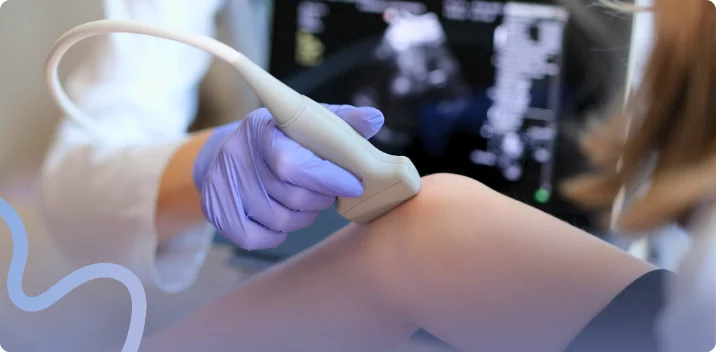
Ultrasound therapy uses sound waves to create gentle heat deep within the muscle and soft tissue. That heat can improve local circulation, relax tight muscle fibers, and support the delivery of oxygen and nutrients to the area. If tissue has been tight or under recovered, that added circulation can help reduce stiffness and support a more normal recovery process.
What Improved Circulation Has to Do With Pain Signals
Healthy circulation helps tissue recover more efficiently from daily stress and strain. When an area is not receiving enough blood flow, nearby tissues often stay tender and reactive longer than they should. That reduced circulation can increase irritation and slow the body's natural healing response.
For some patients, this shows up as tightness after sitting for long periods. For others, symptoms become more noticeable during transitions such as getting out of bed, standing up from a chair, or turning while carrying something.
Why Mechanical Stress Often Shows Up in Daily Life
Soft tissue pain often develops through repeated physical stress rather than one isolated event. Time at a desk, frequent driving, yard work, lifting, home projects, and uneven recovery can gradually place more demand on muscles and connective tissue. When the body starts responding poorly to those patterns, the next step should include a closer look at mechanics and recovery, along with the symptoms themselves.

Signs It May Be Time to Get Evaluated
A few signs often suggest it is worth taking the next step:
Pain keeps returning even after rest.
Stiffness is strongest after sitting or first thing in the morning.
You feel limited when bending, lifting, or reaching.
The discomfort begins to spread toward a nearby joint or muscle group.
You are changing how you move to avoid setting it off.
If any of that sounds familiar, ultrasound therapy in Lincolnton, NC, may be worth considering sooner rather than later.
A Practical Option for Adults in Lincolnton
For many patients in Lincolnton, convenience matters because soft tissue pain rarely shows up at a good time. You may be trying to manage symptoms between work, family responsibilities, and the demands of normal life.
ProWellness Family Chiropractic serves patients from around town, including those coming from areas near East Main Street, Court Square, and North Aspen. That local access becomes especially helpful when care requires consistency. Soft tissue pain usually responds better when the plan is easy to follow and realistic for your week.
How Care Usually Begins
The first step is to understand how the pain has been developing. We look at when it started, which movements or activities aggravate it, what brings relief, and how it is affecting your day-to-day function. We also assess movement quality, areas of restriction, muscle tension, and whether nearby regions may be influencing the problem.
This broader view is useful because soft tissue pain can involve more than the affected area alone. In some cases, posture, work setup, or recovery habits are also shaping the pattern. Ultrasound therapy is one of several non-invasive pain control treatments we may draw on, and a well-structured visit should leave you with a clearer picture of what may be contributing to your symptoms and which type of care is most appropriate from there.
When Soft Tissue Pain Deserves a Closer Look
Soft tissue pain is easier to address before it starts shaping the way you move through your day. If it is affecting your movement, sleep, focus, or ability to stay active, it may be time for a more careful evaluation. Letting it run its course can allow the same physical stress pattern to keep building.
If you have been searching for ultrasound therapy in Lincolnton, NC, ProWellness Family Chiropractic is here to help you better understand what may be contributing to your symptoms and which type of care may be appropriate for you. To begin that conversation in a clear and practical way, schedule an appointment with ProWellness Family Chiropractic.
Frequently Asked Questions
What is ultrasound therapy used for?
Ultrasound therapy is often considered when soft tissue pain has a mechanical or circulatory component. That includes limited tissue mobility, lingering muscle tightness, pain that increases with certain movements, or tenderness that keeps returning to the same area even after rest.
Is therapeutic ultrasound the same as the ultrasound used for imaging?
No. Imaging ultrasound produces pictures of the body. Therapeutic ultrasound is a treatment that delivers sound waves into muscle and soft tissue, creating gentle heat that supports circulation and helps tight, irritated tissue relax and recover.
How does ultrasound therapy help soft tissue heal?
The sound waves create gentle heat deep within the muscle and soft tissue. That heat can improve local circulation, relax tight muscle fibers, and support the delivery of oxygen and nutrients that tissue needs for a more normal recovery process.
When should I have soft tissue pain evaluated?
Take the next step when pain keeps returning after rest, stiffness is strongest after sitting or first thing in the morning, movement feels limited, discomfort spreads toward a nearby joint, or you catch yourself changing how you move to avoid a flare-up.
What happens at a first visit for soft tissue pain?
We review when the pain started, which movements aggravate it, what brings relief, and how it is affecting daily function. We also assess movement quality, restriction, and muscle tension, then discuss which type of care makes the most sense for your case.
Ready to take the next step?
Talk with the ProWellness Family Chiropractic team about a Ultrasound Therapy plan built around your body and your goals.